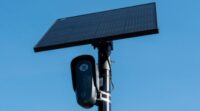
Imagine that you share a ride to work with the same colleague most mornings. As it passes by a license plate reader, the camera records the car, which can be linked through vehicle records to its registered owner. Beside it, another sensor detects signals broadcast by devices traveling nearby, such as your phone and your colleague’s smartwatch. After enough trips, software may treat some of those devices as a recurring electronic signature associated with the vehicle. Weeks later, one of the same device signals appears alongside a different car connected…
Read MoreTag: Cell Phone
Federal budget offers measures to cut telecom costs, citing lack of competition | CTV News
OTTAWA — The federal government says it plans to take measures aimed at increasing competition in Canada’s telecommunications sector and lowering consumers’ cellphone and internet costs. Ottawa outlined parts of that strategy in the budget Tuesday, including a new “dig once” policy that would encourage companies to co-ordinate when installing fibre optic lines. It also says it will reduce regulatory hurdles when deploying telecom infrastructure across the country, including by consulting on a streamlined tower-siting process later this year. Read full story here: Federal budget offers measures to cut telecom…
Read MoreHow Law Enforcement Gets Around Your Smartphone’s Encryption | Ars Technica
Lawmakers and law enforcement agencies around the world, including in the United States, have increasingly called for backdoors in the encryption schemes that protect your data, arguing that national security is at stake. But new research indicates governments already have methods and tools that, for better or worse, let them access locked smartphones thanks to weaknesses in the security schemes of Android and iOS. Read full story here: How Law Enforcement Gets Around Your Smartphone’s Encryption | Ars Technica
Read More